Bringing EPIC: The Musical to Your D&D Campaign

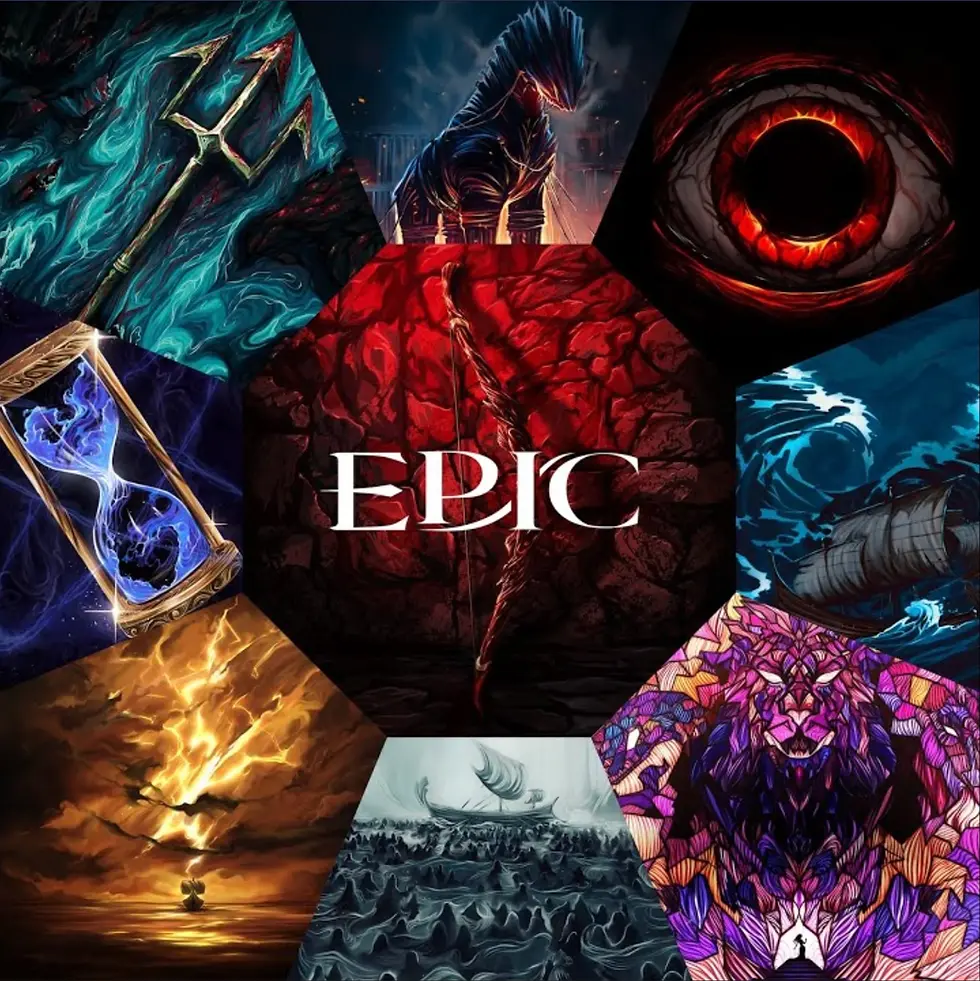
Jorge Rivera-Herrans’ EPIC: The Musical has captured the hearts of many, not just because of its infectious melodies and powerful performances, but because of its ability to reimagine an ancient story with new emotional depth and immediacy. Inspired by Homer’s Odyssey, the musical brings to life the trials of Odysseus in a way that feels fresh, modern, and incredibly engaging.
But I'm not here to suggest you simply run The Odyssey as a Dungeons & Dragons campaign. No, the true inspiration from EPIC: The Musical comes from its approach: blending myth with personal stakes, reinventing legends in unexpected ways, and crafting a journey that feels larger than life while remaining deeply personal. Jorge Rivera-Herrans' Odysseus' personal stake is the risk that he may never see his family again. So how can Dungeon Masters (DMs) take inspiration from EPIC: The Musical to build a compelling campaign? Here’s how you can capture its grand spirit while crafting your own mythic adventure.

1. Building Mythic Locales Inspired by EPIC: The Musical
One of EPIC: The Musical’s greatest strengths is its ability to make legendary locations feel alive. Places like Troy, the Isle of the Lotus Eaters, and the depths of the underworld aren’t just set pieces—they are characters in their own right.
Instead of recreating these places verbatim, use them as a framework for your own mythic locations. Here are some ideas:
The City on the Brink (Inspired by Troy): Your players arrive at a great city locked in a war that has lasted far too long. They must navigate politics, betrayals, and impossible choices to bring the conflict to an end—or ensure it continues for their own gain.
The Island of Indulgence (Inspired by the Lotus Eaters): A paradise where time flows strangely and memories fade the longer one stays. Do your players succumb to blissful forgetfulness, or do they fight to escape a prison of pleasure?
The Sea of the Lost (Inspired by Odysseus’ perilous voyage): A realm where the ocean itself twists reality, where islands appear only for a night, and the stars overhead tell different stories depending on who looks at them.
The Throne of the Dead (Inspired by the Underworld): A city built upon the bones of an ancient empire, where ghosts still hold court and demand tribute from the living.
Each of these locations borrows from EPIC: The Musical but transforms them into something unique. The key is not to copy The Odyssey, but to use its essence to create something that feels just as grand and mysterious.

2. Crafting Parallel Journeys: The Hero’s Flaws and Growth
Odysseus in EPIC: The Musical is not just a warrior or a king—he’s deeply flawed. He struggles with pride, rage, and the weight of his choices. This makes his journey compelling because it’s not just about surviving the trials of the gods, but overcoming himself.
This is where you, as a DM, can bring character-driven storytelling into your campaign. Instead of making your players’ journey about physical survival, consider these themes:
Pride vs. Humility – A player character might be renowned for their victories, but will they learn to accept help when they need it most?
Memory vs. Oblivion – Will the party fight to keep their past alive, or let go of everything to move forward?
Home vs. Glory – What sacrifices will they make in their pursuit of greatness, and will they regret them?
To reinforce these themes, introduce NPCs who mirror their struggles. Maybe an exiled king who abandoned his home for power serves as a cautionary tale. Perhaps a warrior too consumed by vengeance offers them a glimpse of their own future if they do not change.
EPIC: The Musical thrives on personal stakes. Your campaign should too.
3. Using Music as a Storytelling Tool
One of the most striking aspects of EPIC: The Musical is its powerful use of music to enhance storytelling. Now, obviously, not every DM is a composer—but you can use music as an integral part of your game.
Theme Songs for NPCs – Assign specific songs to important characters to create emotional resonance when they appear.
Chanting & Lamentations – If your players arrive at a doomed city, describe how the people sing songs of lost heroes or fallen gods.
Call-and-Response Rituals – Have the players engage in a verbal duel, matching the cadence of an enemy’s chant to avoid divine punishment.
Battle Hymns – If your players command armies, what song do their soldiers sing before war? Perhaps they must create one themselves, influencing morale and reputation.
By incorporating music, even indirectly, you can create an experience that is deeply immersive and emotionally engaging. Any fan knows how powerful "Not Sorry for Loving You" sung by Barbara Wangui (Calyspo) is. Despite other songs including Calyspo its this one that truly captures her struggle and acts as a sort of theme for her. (At least in my opinion which is based on nothing more than listening to it a few hundred times and a single college semester of a single class of music theory)

4. Introducing Gods, Fate, and the Power of Legend
A recurring theme in EPIC: The Musical is the presence of the gods—often distant, sometimes cruel, but always watching. This is a powerful tool in any campaign.
Instead of just having gods as quest-givers, make them living legends that impact the world in subtle but significant ways:
Prophecies That Twist Over Time – A seer gives a prophecy, but as the campaign progresses, the players realize it has been misinterpreted.
A God’s Favor and Wrath – Players who earn a god’s attention may be granted minor boons… or face inexplicable misfortune.
Mortal Defiance – What happens if someone defies the will of the gods? Perhaps the party meets a king who has openly rejected divine rule—and is thriving… for now.
Your players should feel as though they are not just in a story, but that their actions shape the myths of the world around them.

Conclusion: Make Your Own Epic
The power of EPIC: The Musical and The Odyssey is not in their exact details, but in their emotional depth, their sense of grandeur, and their exploration of flawed heroes navigating an uncaring world.
Your campaign does not need to be The Odyssey to feel legendary. Instead, take inspiration from its themes, its locations, and its storytelling techniques to craft a journey that will leave your players breathless.
So go forth, Dungeon Masters—set your players adrift on a storm-tossed sea, pit them against fate, and let them carve their own legend into the world. After all, isn’t that what makes an adventure truly epic?


Comments